Business Consulting
Supply Chain Management (SCM): The Complete Guide to Building Efficient and Resilient Supply Chains
Supply-Chain-Management-(SCM)-The-Complete-Guide-to-Building-Efficient-and-Resilient-Supply-Chains-Chanakya-Consulting-Growth-Technology-Strategy-Automation-Intelligence
In today’s global economy, businesses rely on efficient supply chains to deliver products and services quickly, cost-effectively, and consistently. From sourcing raw materials to delivering finished products to customers, every stage of the supply chain impacts operational efficiency, customer satisfaction, and profitability. Even minor disruptions can lead to delays, increased costs, and lost business opportunities.
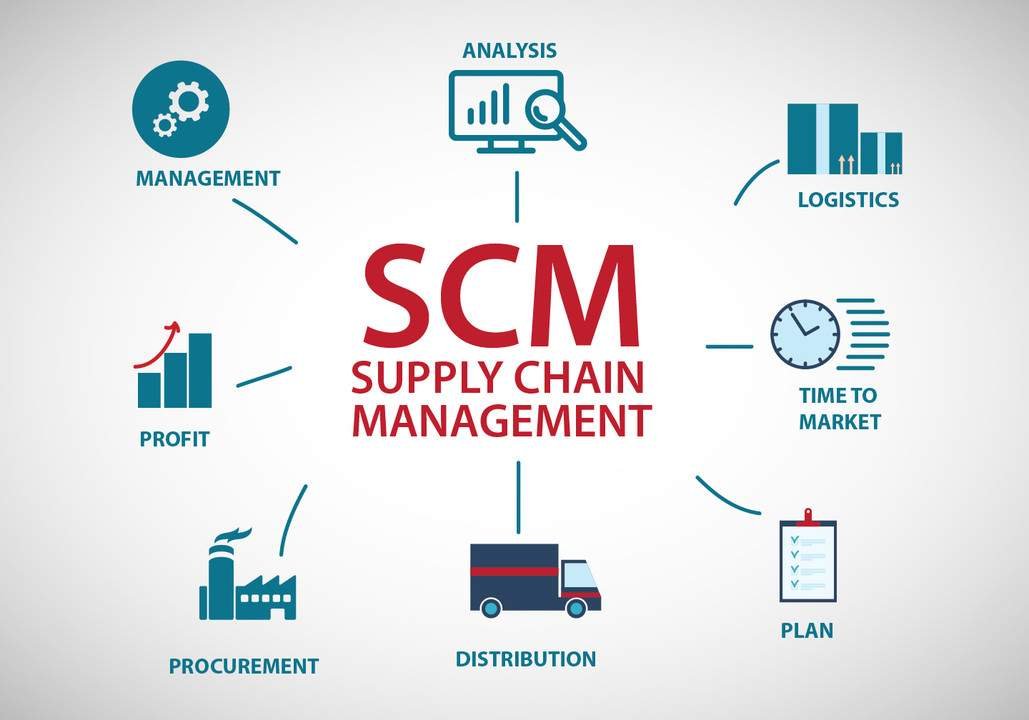
Supply Chain Management (SCM) is the strategic process of planning, coordinating, and optimizing the flow of goods, information, and finances across suppliers, manufacturers, warehouses, distributors, retailers, and customers. Effective SCM helps organizations reduce costs, improve product quality, manage risks, and respond quickly to changing market demands.
Whether you’re a manufacturer, retailer, healthcare provider, or e-commerce business, a well-managed supply chain provides the agility and resilience needed to remain competitive in an increasingly complex marketplace.
What is Supply Chain Management (SCM)?
Supply Chain Management (SCM) is the process of managing the movement of products, services, information, and finances from suppliers to end customers. It involves planning procurement, manufacturing, inventory management, transportation, warehousing, order fulfillment, and customer delivery while ensuring efficiency and cost optimization.
Modern SCM goes beyond logistics. It integrates technology, data analytics, automation, and collaboration across the entire supply chain network to improve visibility, reduce risks, and enhance customer experiences.
“A supply chain is only as strong as its weakest link. Effective Supply Chain Management ensures every link works together to create value.”
Why Supply Chain Management is Important
An optimized supply chain enables businesses to deliver products faster, reduce operational costs, improve inventory management, and respond effectively to disruptions. Companies with efficient supply chains are better equipped to meet customer expectations while maintaining profitability.
Reduces Operational Costs
Optimize procurement, inventory, transportation, and production to minimize unnecessary expenses.
Improves Customer Satisfaction
Ensure products are delivered accurately and on time while maintaining consistent product availability.
Enhances Business Agility
Respond quickly to market changes, supplier disruptions, and fluctuations in customer demand.
Strengthens Competitive Advantage
Efficient supply chains improve profitability while creating better customer experiences than competitors.
How Supply Chain Management Works
Supply Chain Management connects multiple business functions into one integrated process. Information flows continuously between suppliers, manufacturers, logistics providers, distributors, retailers, and customers to ensure products move efficiently throughout the supply chain.
Step 1: Planning
Forecast customer demand, determine production capacity, establish inventory targets, and develop supply chain strategies.
Step 2: Sourcing
Select suppliers, negotiate contracts, procure raw materials, and manage supplier performance.
Step 3: Manufacturing
Convert raw materials into finished products through efficient production planning and quality control.
Step 4: Distribution
Transport products to warehouses, distributors, retailers, or directly to customers using optimized logistics.
Step 5: Returns & Continuous Improvement
Manage product returns, monitor supply chain performance, and continuously optimize operations using analytics.
Core Components of Supply Chain Management
Every successful supply chain relies on several interconnected components working together efficiently.
Demand Planning
Forecast customer demand to optimize production and inventory levels.
Procurement
Source raw materials and services from reliable suppliers at competitive prices.
Inventory Management
Maintain optimal inventory levels while minimizing storage and carrying costs.
Logistics & Transportation
Move products efficiently between suppliers, warehouses, and customers.
Warehousing
Store, organize, and distribute inventory while supporting efficient order fulfillment.
Supplier Relationship Management
Build strong partnerships with suppliers to ensure quality, reliability, and long-term collaboration.
Benefits of Supply Chain Management
| Benefit | Business Impact |
|---|---|
| Lower Operating Costs | Reduce waste, transportation expenses, and inventory carrying costs. |
| Faster Deliveries | Improve order fulfillment speed and customer satisfaction. |
| Better Inventory Control | Prevent overstocking and stock shortages. |
| Improved Decision-Making | Use real-time supply chain data for informed planning. |
| Greater Business Resilience | Reduce risks and recover quickly from disruptions. |
Key Functions of Supply Chain Management
- Demand forecasting
- Supplier management
- Strategic sourcing
- Procurement management
- Production planning
- Inventory optimization
- Warehouse management
- Transportation and logistics
- Order fulfillment
- Quality management
- Supply chain analytics
- Risk management
- Reverse logistics
- Supplier performance monitoring
- Continuous supply chain improvement
Types of Supply Chain Management Models
There is no one-size-fits-all supply chain. Organizations adopt different supply chain models depending on their products, customers, industry, and market demand. Selecting the right model improves efficiency, reduces costs, and increases responsiveness.
Continuous Flow Model
Ideal for businesses producing standardized products with stable demand. Manufacturing and distribution operate continuously with minimal interruptions.
- Consistent production
- High efficiency
- Predictable demand
- Lower operational costs
Agile Supply Chain
Designed for industries where customer demand changes frequently, requiring rapid response and flexibility.
- Quick adaptation
- Flexible production
- Faster deliveries
- Customer-focused operations
Lean Supply Chain
Focuses on eliminating waste while maximizing efficiency and reducing unnecessary costs throughout the supply chain.
- Inventory optimization
- Waste reduction
- Lower costs
- Continuous improvement
Flexible Supply Chain
Enables organizations to quickly scale operations during seasonal demand spikes or unexpected market changes.
- Scalable operations
- Seasonal demand support
- Rapid production changes
- Business continuity
Supply Chain Management vs Logistics vs ERP
Although these terms are closely related, they serve different business purposes. Understanding their roles helps organizations build an integrated digital ecosystem.
| System | Primary Purpose | Business Focus |
|---|---|---|
| Supply Chain Management (SCM) | Manage the end-to-end supply chain | Planning, sourcing, production, logistics, delivery |
| Logistics | Transportation and storage | Warehousing, shipping, distribution |
| Enterprise Resource Planning (ERP) | Integrate core business processes | Finance, HR, procurement, inventory, manufacturing |
The Supply Chain Lifecycle
An efficient supply chain follows a continuous lifecycle that ensures products move smoothly from suppliers to customers while maintaining quality and profitability.
1. Planning
Forecast demand, allocate resources, and establish inventory strategies.
2. Procurement
Purchase raw materials and manage supplier relationships.
3. Manufacturing
Transform materials into finished products while maintaining quality standards.
4. Distribution
Move finished goods through warehouses and transportation networks.
5. Customer Delivery
Deliver products efficiently while maintaining customer satisfaction.
6. Returns & Optimization
Handle product returns, analyze performance, and continuously improve the supply chain.
Common Supply Chain Challenges
Supply Disruptions
Natural disasters, geopolitical events, and supplier failures can interrupt production and deliveries.
Demand Volatility
Unexpected fluctuations in customer demand create inventory shortages or excess stock.
Limited Visibility
Disconnected systems make it difficult to monitor inventory and shipments in real time.
Rising Transportation Costs
Increasing fuel prices and logistics expenses directly affect profitability.
Inventory Imbalances
Poor inventory planning results in overstocking, stockouts, and unnecessary carrying costs.
Supplier Dependency
Relying on a limited number of suppliers increases business risk during disruptions.
Supply Chain Management Best Practices
- Forecast customer demand using historical and real-time data.
- Develop strong relationships with multiple suppliers.
- Implement inventory optimization techniques.
- Leverage automation to reduce manual processes.
- Use real-time dashboards to monitor operations.
- Regularly assess supplier performance and compliance.
- Integrate SCM with ERP and Business Intelligence platforms.
- Create contingency plans for supply chain disruptions.
Before vs. After Supply Chain Management
Before SCM
- Manual inventory tracking
- Frequent stock shortages
- Poor supplier communication
- Higher logistics costs
- Limited operational visibility
- Delayed customer deliveries
- Reactive decision-making
After SCM
- Real-time inventory visibility
- Optimized stock levels
- Improved supplier collaboration
- Lower transportation costs
- Data-driven planning
- Faster order fulfillment
- Higher customer satisfaction
Supply Chain Management Across Industries
Manufacturing
Manage raw materials, production schedules, supplier networks, and quality control.
Retail & E-commerce
Optimize inventory, warehouse operations, order fulfillment, and last-mile delivery.
Healthcare
Ensure timely availability of medicines, medical equipment, and healthcare supplies.
Food & Beverage
Maintain freshness, regulatory compliance, cold-chain logistics, and product traceability.
Popular Supply Chain Management (SCM) Software
Modern Supply Chain Management software helps organizations automate procurement, inventory management, warehouse operations, transportation, demand planning, and supplier collaboration. Selecting the right SCM platform depends on business size, industry, scalability, and integration requirements.
| SCM Platform | Best For | Key Features |
|---|---|---|
| SAP Integrated Business Planning (IBP) | Large Enterprises | Demand planning, inventory optimization, supply planning, analytics |
| Oracle SCM Cloud | Global Organizations | Procurement, logistics, manufacturing, AI-powered planning |
| Microsoft Dynamics 365 Supply Chain | Microsoft Ecosystem | Inventory, warehouse, production, predictive maintenance |
| Infor Supply Chain | Manufacturing & Distribution | Warehouse management, transportation, inventory visibility |
| Blue Yonder | Retail & Logistics | Demand forecasting, AI planning, fulfillment optimization |
Key Supply Chain Performance Indicators (KPIs)
Measuring supply chain performance enables businesses to identify bottlenecks, improve efficiency, and optimize operational costs.
| KPI | Business Value |
|---|---|
| Order Fulfillment Rate | Measures the percentage of customer orders delivered successfully. |
| Inventory Turnover | Evaluates how efficiently inventory is sold and replenished. |
| Perfect Order Rate | Tracks orders delivered on time, complete, and without errors. |
| Lead Time | Measures the time taken from order placement to delivery. |
| Supply Chain Cost | Calculates procurement, manufacturing, warehousing, and transportation expenses. |
| Supplier Performance | Evaluates supplier quality, delivery reliability, and responsiveness. |
Artificial Intelligence in Supply Chain Management
Artificial Intelligence (AI) is transforming supply chain operations by improving forecasting accuracy, automating decision-making, and increasing end-to-end visibility. AI enables businesses to predict disruptions, optimize inventory, and make faster, data-driven decisions.
Demand Forecasting
AI analyzes historical sales, market trends, and seasonal patterns to predict future demand more accurately.
Inventory Optimization
Machine learning recommends optimal inventory levels while minimizing excess stock and shortages.
Predictive Maintenance
AI monitors equipment performance and predicts maintenance requirements before failures occur.
Route Optimization
AI calculates the fastest and most cost-effective transportation routes while considering traffic and weather conditions.
Risk Management
AI detects potential disruptions, supplier risks, and demand fluctuations before they affect operations.
Warehouse Automation
Smart robotics and AI improve picking, packing, inventory tracking, and warehouse productivity.
Future Trends in Supply Chain Management
- Artificial Intelligence and Machine Learning
- Internet of Things (IoT) for real-time asset tracking
- Blockchain for supply chain transparency
- Digital Twins for supply chain simulation
- Autonomous warehouses and robotics
- Predictive analytics for demand planning
- Sustainable and green supply chains
- Cloud-based SCM platforms
- Hyperautomation across logistics operations
- End-to-end supply chain visibility dashboards
Frequently Asked Questions (FAQs)
What is Supply Chain Management (SCM)?
Supply Chain Management (SCM) is the process of planning, sourcing, manufacturing, storing, transporting, and delivering products efficiently from suppliers to customers.
Why is SCM important?
SCM helps businesses reduce costs, improve efficiency, optimize inventory, minimize risks, and deliver products faster while enhancing customer satisfaction.
What is the difference between SCM and Logistics?
SCM manages the complete flow of goods, information, and finances across the entire supply chain, while logistics focuses specifically on transportation, warehousing, and product distribution.
Can small businesses benefit from SCM?
Yes. Even small businesses can improve inventory management, reduce operational costs, strengthen supplier relationships, and provide better customer service through effective SCM practices.
How does AI improve Supply Chain Management?
AI enhances demand forecasting, automates routine tasks, optimizes inventory, predicts disruptions, improves transportation planning, and enables data-driven decision-making.
Conclusion
Supply Chain Management is no longer just about moving products from one location to another. It has evolved into a strategic business function that integrates procurement, manufacturing, logistics, inventory management, technology, and analytics to create a resilient and customer-focused operation.
Organizations that invest in modern SCM practices can reduce costs, improve operational efficiency, respond faster to market changes, and build stronger relationships with suppliers and customers. As digital transformation accelerates, AI, automation, cloud computing, and real-time analytics will continue to redefine the future of supply chain management.
A resilient supply chain isn’t just a competitive advantage—it’s the foundation of long-term business success.
Ready to Optimize Your Supply Chain?
At Chanakya Consulting, we help organizations design smarter, more resilient, and technology-driven supply chains. From supply chain strategy and process optimization to ERP integration, AI-powered analytics, and digital transformation, our experts help businesses improve efficiency and achieve sustainable growth.
Published by Chanakya Consulting — Helping businesses build resilient supply chains through Supply Chain Management (SCM), Enterprise Resource Planning (ERP), Digital Transformation, Artificial Intelligence (AI), Business Process Automation (BPA), and strategic consulting solutions that drive measurable business growth.