
Business Strategy
Change Management: The Complete Guide to Successfully Managing Organizational Change
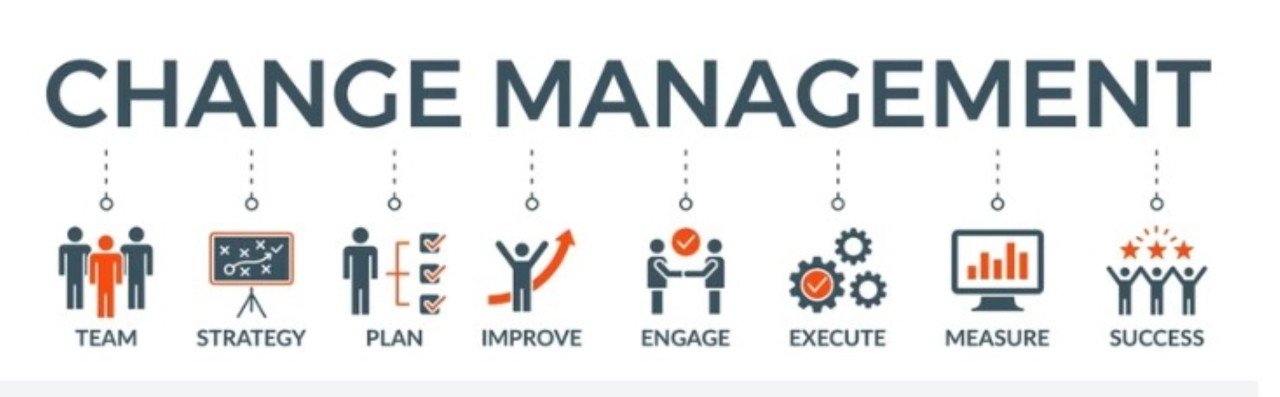
Change-Management-The-Complete-Guide-to-Successfully-Managing-Organizational-Change-Chanakya-Consulting-Growth-Technology-Strategy-Automation-Intelligence
Organizations today operate in a constantly changing business environment. New technologies, evolving customer expectations, market competition, regulatory changes, and digital transformation initiatives are forcing companies to continuously adapt. However, introducing new systems, processes, or strategies does not automatically guarantee success.
The biggest challenge organizations face is not implementing change—it is managing the people, processes, and culture involved in that change. This is where Change Management becomes essential.
Change Management provides a structured approach to helping employees, teams, and organizations successfully transition from their current state to a desired future state. It focuses on communication, training, leadership alignment, employee adoption, and long-term sustainability.
Whether an organization is implementing Artificial Intelligence, adopting new software, restructuring operations, or undergoing digital transformation, effective change management determines whether the initiative succeeds or fails.
What Is Change Management?
Change Management is the structured approach organizations use to successfully plan, implement, and sustain organizational change. Whether you’re adopting new technologies, restructuring teams, or driving digital transformation, effective change management helps reduce resistance, improve employee adoption, and ensure long-term business success.
“Change succeeds when people understand the reason behind it, believe in its value, and have the ability to adopt it.”
Unlike traditional project management, which focuses mainly on timelines, budgets, and deliverables, change management focuses on the human side of transformation.
Why Change Management Matters for Modern Businesses
Many transformation projects fail not because of poor technology or weak strategies, but because employees struggle to adopt new ways of working. Without proper change management, organizations experience resistance, low productivity, poor adoption rates, and wasted investments.
Improves Employee Adoption
Helps employees understand new systems, processes, and responsibilities, increasing acceptance and usage.
Reduces Resistance
Addresses employee concerns through communication, involvement, and proper support.
Increases Project Success
Ensures transformation initiatives deliver expected business outcomes.
Builds Change Culture
Creates an organization that can adapt quickly to future business challenges.
Types of Organizational Change
Organizations experience different types of change depending on their business goals, market conditions, and strategic priorities.
Strategic Change
Changes in business direction, goals, market strategy, or organizational vision.
Technology Change
Implementation of new software, AI systems, automation tools, cloud platforms, or digital solutions.
Process Change
Improving workflows, eliminating inefficiencies, and redesigning business operations.
Cultural Change
Transforming employee behaviors, values, leadership styles, and workplace mindset.
Structural Change
Changes in organizational hierarchy, roles, reporting structures, or team responsibilities.
Compliance Change
Changes required due to new regulations, policies, and industry standards.
The Change Management Process
A successful change management process follows a structured approach that prepares employees, implements changes effectively, and ensures long-term adoption.
Step 1: Identify the Need for Change
Organizations must understand why change is required, what problems need to be solved, and what outcomes are expected.
Step 2: Develop a Change Strategy
Create a roadmap defining objectives, stakeholders, communication plans, training requirements, and implementation timelines.
Step 3: Communicate the Change
Clearly explain the reasons for change, benefits, impact on employees, and expected outcomes.
Step 4: Train and Support Employees
Provide employees with the knowledge, skills, and resources required to successfully adapt.
Step 5: Monitor Adoption
Measure progress, collect feedback, solve issues, and continuously improve the change process.
Benefits of Effective Change Management
- Higher employee engagement and confidence.
- Faster adoption of new technologies and processes.
- Reduced operational disruption.
- Improved communication across teams.
- Better return on technology investments.
- Stronger organizational flexibility.
- Improved business performance and innovation.
- Long-term sustainability of transformation initiatives.
Best Practices for Successful Change Management
- Clear Vision: Employees must understand why the change is happening.
- Strong Leadership: Leaders must actively support and promote change.
- Employee Involvement: People are more likely to accept changes when they participate.
- Continuous Communication: Regular updates build trust and reduce uncertainty.
- Training & Support: Employees need resources to successfully adapt.
- Measurement: Track progress and adjust strategies when required.
Popular Change Management Models
Organizations use structured change management frameworks to guide employees through transitions effectively. These models provide a roadmap for planning, implementing, and sustaining organizational change.
ADKAR Change Management Model
The ADKAR model, developed by Prosci, focuses on the individual journey of change. It explains the five key outcomes employees need to achieve for successful adoption.
| Stage | Meaning | Purpose |
|---|---|---|
| Awareness | Understanding why change is needed | Creates clarity and reduces uncertainty |
| Desire | Willingness to support the change | Builds employee motivation |
| Knowledge | Learning how to change | Provides required skills and information |
| Ability | Applying new skills and behaviors | Ensures practical adoption |
| Reinforcement | Maintaining the change | Prevents employees from returning to old methods |
Kotter’s 8-Step Change Model
John Kotter’s eight-step framework focuses on creating organizational momentum and ensuring large-scale transformation succeeds.
- Create a Sense of Urgency: Help employees understand why change is necessary.
- Build a Guiding Coalition: Create a team of leaders and influencers who support the change.
- Create a Vision: Define a clear future state and transformation goals.
- Communicate the Vision: Share the change strategy across the organization.
- Remove Barriers: Address obstacles preventing employees from adopting change.
- Create Short-Term Wins: Celebrate early achievements to maintain motivation.
- Build on the Change: Continue improving processes and expanding transformation.
- Anchor Change in Culture: Make new behaviors part of organizational culture.
Lewin’s Change Management Model
Kurt Lewin introduced one of the earliest change management frameworks based on three simple stages: preparing for change, implementing change, and making the change permanent.
Unfreeze
Prepare employees by explaining the need for change and breaking old habits or processes.
Change
Introduce new processes, technologies, and behaviors while providing support.
Refreeze
Stabilize the new approach and integrate it into daily operations.
Change Management vs Project Management
Although change management and project management often work together, they focus on different aspects of organizational transformation.
| Change Management | Project Management |
|---|---|
| Focuses on people and adoption | Focuses on tasks and delivery |
| Manages employee resistance | Manages timelines and resources |
| Measures behavioral change | Measures project completion |
| Ensures long-term adoption | Ensures successful implementation |
Common Change Management Challenges
Even well-planned transformation initiatives can face challenges. Understanding these obstacles helps organizations prepare better strategies.
Employee Resistance
Employees may fear uncertainty, job impact, or unfamiliar technology.
Poor Communication
Lack of transparency creates confusion and reduces trust.
Lack of Leadership Support
Without leadership involvement, employees may not prioritize the change.
Insufficient Training
Employees struggle when they are expected to use new systems without proper guidance.
Change Fatigue
Frequent transformations can reduce employee motivation and engagement.
Lack of Measurement
Organizations fail when they do not track adoption and business impact.
Best Practices for Successful Change Management
- Create a clear change vision and communicate it effectively.
- Involve employees early in the transformation process.
- Provide continuous training and support.
- Identify change champions within teams.
- Use feedback to improve implementation strategies.
- Celebrate milestones and quick wins.
- Measure adoption, engagement, and business outcomes.
- Align change initiatives with organizational goals.
Digital Transformation and Change Management
Digital transformation is one of the biggest drivers of organizational change today. Businesses are adopting Artificial Intelligence, cloud platforms, automation, ERP systems, Customer Relationship Management (CRM) software, and advanced analytics to improve efficiency and customer experience.
However, technology implementation alone does not create successful transformation. Employees must understand, accept, and effectively use new systems and processes. This is why change management plays a critical role in digital transformation success.
Without Change Management
- Low employee adoption
- Resistance to new technology
- Failed transformation projects
- Reduced productivity
- Wasted technology investments
With Change Management
- Higher technology adoption
- Better employee engagement
- Smoother transitions
- Improved productivity
- Sustainable business growth
The Role of Leadership in Change Management
Leadership is one of the most important factors influencing successful organizational change. Employees look toward leaders for direction, confidence, and support during uncertain situations.
Create a Clear Vision
Leaders must explain why change is necessary and how it supports the organization’s future goals.
Lead by Example
Managers should actively adopt new behaviors and technologies to encourage employees.
Encourage Communication
Open communication helps address concerns and builds trust throughout the organization.
Support Employees
Provide training, resources, and guidance to help employees successfully adapt.
Before vs After Effective Change Management
| Before Change Management | After Change Management |
|---|---|
| Employees feel uncertain about changes | Employees understand the purpose and benefits |
| Low adoption of new systems | Higher technology acceptance |
| Poor communication | Transparent communication |
| Employee resistance | Employee involvement and collaboration |
| Short-term implementation focus | Long-term sustainable adoption |
Key Performance Indicators (KPIs) for Change Management Success
Measuring change management effectiveness helps organizations understand whether employees are adopting new processes and whether transformation goals are being achieved.
| KPI | Purpose |
|---|---|
| Employee Adoption Rate | Measures how successfully employees are using new systems and processes. |
| Training Completion Rate | Tracks employee participation in change-related training programs. |
| Employee Satisfaction Score | Evaluates employee confidence and acceptance of change. |
| Productivity Improvement | Measures performance improvements after implementing change. |
| Project Success Rate | Determines whether transformation initiatives achieved expected outcomes. |
Future Trends in Change Management
As businesses continue evolving, change management is becoming more technology-driven, employee-focused, and data-oriented. Future organizations will require agile approaches to manage continuous transformation.
- AI-powered employee engagement and change analytics.
- Data-driven measurement of adoption and transformation success.
- Continuous change instead of one-time transformation projects.
- Remote and hybrid workforce change strategies.
- Personalized employee learning experiences.
- Agile change management methodologies.
- Greater focus on organizational resilience.
- Integration of automation and AI into change processes.
Frequently Asked Questions (FAQs)
What is Change Management?
Change Management is a structured approach that helps organizations manage transitions by preparing employees, implementing new processes, and ensuring successful adoption.
Why do organizations need Change Management?
Organizations need change management to reduce resistance, improve employee adoption, minimize disruption, and ensure transformation initiatives deliver expected results.
What are the main Change Management models?
Popular models include the ADKAR Model, Kotter’s 8-Step Change Model, and Lewin’s Change Management Model.
How does Change Management support Digital Transformation?
Change Management ensures employees successfully adopt new technologies, processes, and workflows, making digital transformation initiatives more successful.
Who is responsible for Change Management?
Change management is a shared responsibility involving leadership teams, managers, project teams, and employees across the organization.
Conclusion: Why Change Management Matters
Change Management is no longer optional for modern organizations. In a world where technology, customer expectations, and business models constantly evolve, companies must develop the ability to adapt quickly and effectively.
Successful change requires more than implementing new tools or processes. It requires strong leadership, employee engagement, clear communication, proper training, and continuous improvement.
Organizations that manage change effectively are better prepared to innovate, compete, and achieve sustainable growth.
Successfully Navigate Your Business Transformation
At Chanakya Consulting, we help organizations successfully manage digital transformation, technology adoption, process improvement, and organizational change. Our experts support businesses in creating effective change strategies that improve employee adoption and deliver measurable business outcomes.
Published by Chanakya Consulting — Helping organizations successfully navigate Digital Transformation, Artificial Intelligence (AI), Business Process Automation (BPA), ERP implementation, Data Analytics, and organizational change through strategic consulting.